Jet's Pizza Weight Watchers Points

Jet's Pizza Weight Watchers Points

Homemade pizza with pepperoni, vegetables and basil, top view, corner border against a wood background with copy space

Weight Watchers pizza points, or SmartPoints, can amount to five to 16 per slice, depending on crust thickness, pie size and the types and number of toppings.

Image Credit: jenifoto/iStock/GettyImages

If you're aiming to lose weight or get healthy as a member of Weight Watchers Reimagined, a cheesy slice of pizza doesn't have to derail your goals. Though Weight Watchers pizza points can equal up to 16 per slice, you can make smart topping and crust choices to bring that number down to five.

Tip

Weight Watchers pizza points, or SmartPoints, can amount to five to 16 per slice, depending on crust thickness, pie size and the types and number of toppings.

Pizza by the Numbers

According to the USDA, one in eight Americans eat pizza — called the most popular food in the world — on any given day. And who could blame us? The fatty, salty, crusty dish satisfies many cravings at once.

But because pizza is often just white dough topped with greasy cheese, overindulging in it can eat up most of your Weight Watchers SmartPoints for the day. It can also wreak havoc on your goals to lose weight.

For example, one slice of a Domino's 12-inch hand-tossed regular cheese pizza contains 220 calories, which amounts to 11 percent of your daily calories based on a 2,000-calorie-per-day diet. That same slice contains 3.5 grams of saturated fat (17.5 percent of the recommended daily value, or RDV) and 450 milligrams of sodium (18.8 percent of the RDV).

The good news is, there are quick and easy changes you can make to your pizza while cooking or ordering — such as topping and crust swaps — that will decrease the total calories and SmartPoints in each slice. These healthier choices can also make your pizza more nutritious.

Weight Watchers Pizza Cheat Sheet

Weight Watchers Reimagined, also known as WW, assigns SmartPoints to foods based on four categories: calories, sugar, saturated fat and protein. The more calories, sugar and saturated fat in a food, the higher its SmartPoints value. On the other hand, protein lowers the SmartPoints value of a food.

Cheese, pepperoni and sausage are high-calorie foods that are also high in saturated fat. The more of these three toppings on your pizza, the higher its SmartPoints value. Conversely, if you use lean protein, such as skinless chicken breast, on your pizza instead of pepperoni and sausage, you will decrease your meal's SmartPoints value.

The handy Weight Watchers pizza cheat sheet offers suggestions such as these and can help guide your pizza-eating decisions. It offers a breakdown of pizza by type and assigns a SmartPoints value to each. You can also use the Weight Watchers points calculator or download the WW phone app to help you calculate the SmartPoints in your slice.

Keeping it Simple: Cheese Pizza

According to the Weight Watchers pizza cheat sheet, one slice of cheese pizza, depending on crust thickness, has the following SmartPoints value:

  • A "regular" cheese slice with a medium crust, served at your typical pizza parlor, has a value of nine SmartPoints.
  • Just swapping medium crust for thin crust brings down the total per slice to eight SmartPoints.
  • Once slice of thick-crust cheese pizza (not as thick as deep dish) totals 10 SmartPoints.

The WW pizza cheat sheet also recommends steering clear of white pizza, or pizza made without tomato sauce. To make up for not having sauce, white pizza is often topped with more cheese than a regular cheese pizza. This ups the calories and saturated fat in each slice, and also its SmartPoints value.

Tomato sauce is also high in lycopene, an antioxidant that has been shown to lower blood pressure and may lower risk of certain types of cancer, according to the International Food Information Council Foundation. A March 2016 study published in the American Journal of Clinical Nutrition found that increased consumption of tomato sauce was associated with a decreased risk of getting prostate cancer. Tip: Don't skimp on the tomato sauce.

New-York-Style Pizza

Everything is bigger in New York, including the pizza. While a medium-sized pizza pie is generally around 12 inches in diameter, many New York pizza parlors serve slices from an 18-inch pie.

One slice from a New-York-style pizza is the equivalent of more than two regular slices, according to the Weight Watchers pizza cheat sheet. It also has a value of 14 to 16 SmartPoints.

If you're in the Big Apple and find yourself at a pizza parlor serving these massive slices, you can go ahead and indulge. Just be mindful of portion control and SmartPoints values.

One way you can decrease the SmartPoints value of your meal is by cutting your New York slice in half. Share the other half with a friend, and the SmartPoints value of your slice goes down to seven to eight points.

Chicago-Style Deep-Dish Pizza

Eating pizza in Chicago is a bit like eating lasagna. The crust can tower up to three inches in height and is usually both liberally stuffed and topped with cheese and meat. According to the Weight Watchers pizza cheat sheet, a slice of Chicago deep-dish pizza has a value of 11 to 15 SmartPoints.

If you go the deep-dish route, be mindful of what you eat the rest of the day in order to not go over your daily SmartPoints allowance. You can also request no meat or half the meat, and swap out fat-heavy pepperoni or sausage for lean protein such as ham or chicken.

Better yet, go with Chicago's second-best pizza tradition: thin crust. A slice of plain-cheese thin-crust pizza has a value of only eight SmartPoints.

Easy Nutritious Swaps

Here are some other swaps you can make to decrease the SmartPoints value of your pizza slice while increasing its nutrition:

  • Don't fall for the extras. Avoid the freebies that come with your order, such as bread sticks, soda, extra cheese or meat toppings or an extra free pizza.
  • Load up on the veggies. Instead of meat, add toppings such as peppers, onions, broccoli and mushrooms. Vegetables can add valuable nutrients in the form of vitamins and minerals while filling you up. Most vegetables are also ZeroPoint Foods, so they will not increase the SmartPoints value of your pizza.
  • Skip or swap the crust. Ask for whole-grain crust instead of white whenever possible. Cauliflower crust when available will also up the nutrient content of your pizza while decreasing its calorie count and SmartPoints value.

Jet's Pizza Weight Watchers Points

Source: https://www.livestrong.com/article/349438-weight-watchers-points-for-pizza/

Share:

One Piece Bathroom Sink Faucet

One Piece Bathroom Sink Faucet

How to Replace a Kitchen Faucet

CCO/kaboompics/Pixabay

Kitchen faucets are probably one of the most used fixtures in homes. Many times a day the water is turned on and off, leading to quite a bit of wear and tear on this hardworking fixture. If your faucet has seen better days, or is out of style, you can replace it with a shiny new version using just a few tools. Exchanging your old kitchen faucet with a new one can transform the look and functionality of your kitchen in just a couple of hours.

Tools you'll Need

Have all the necessary tools for this DIY project lined up before you start to save yourself time and frustration.

  • New Faucet
  • Channel locking pliers
  • Basin wrench
  • Plumber's Putty
  • Adjustable Wrench
  • Flexible supply lines
  • Tape Measure

Before Starting

Turn off the hot and cold water shut-off valves. they're usually located in the cabinet that's under the sink. Then open up the faucet to relieve pressure.

Removing the Old Faucet

  • Step One: Using an adjustable wrench and a pair of channel locking pliers, disconnect both the water lines from the faucet. If the supply lines are old, or the gaskets are worn out, you may want to replace them with flexible supply lines.
  • Step Two: Using a socket wrench or basin wrench remove the nut that is holding the faucet tailpiece assembly in place. Sometimes it's difficult to loosen old faucet nuts, in that case try soaking the threads with penetrating oil and try again.
  • Step Three: If your sink has a line that connects the hose to the faucet you can disconnect this.
  • Step Four: Pull the old faucet out and clean the sink's surface making sure to remove any rust or caked on debris.

Installing the New Faucet

  • Step One: Using the measuring tape, measure the distance, from center to center, of the outside holes of your sink. This is to make sure the new faucet will fit. Since all faucets are slightly different, read any installation instructions that come with your new faucet. Follow all manufacturer's pre-assembly instructions and place the optional flange over the faucet opening.
  • Step Two: Seal the new faucet. If you're using a gasket, place the gasket on the lip of the plate and thread the hoses through. If using plumber's putty, apply it around the base of the faucet and set the faucet in place.
  • Step Three: Under the sink you can now thread on the flange and nut using a socket or basin wrench.
  • Step Four: If you're using pull-out faucets, a weight needs to be added that will retract the pull-out spray.
  • Step Five: Now it's time to attach the supply lines to the faucet and then to the shut-off valves. Cold water connects on the right and hot water on the left.
  • Step Six: Turn on the water and check for leaking. If you find any leaks you'll need to tighten the connections on the water supply line.

More From QuestionsAnswered.net

One Piece Bathroom Sink Faucet

Source: https://www.questionsanswered.net/article/how-to-replace-a-kitchen-faucet?utm_content=params%3Ao%3D740012%26ad%3DdirN%26qo%3DserpIndex

Share:

Bathroom Warm Or Cool Light

Bathroom Warm Or Cool Light

When it comes to a bathroom's aesthetic, color temperature is everything. So, you are probably wondering what color temperature is best for bathroom lighting. Look no further; we have done the research all about bathroom lighting for you.

The best color temperature for bathroom lighting is somewhere between 2,7000K to 3,000K. This is most commonly achieved through using warm white lighting. Because warm white lighting is calming and relaxing, it is best for bathrooms. A Color Rendering Index (CRI) of 80 or above is preferable to best be compared to natural sunlight.

Don't stop here. Keep reading to learn more about accent lighting, whether white or cool white is better for bathrooms, how bright a bathroom light should be, whether or not LED lights are good for bathrooms, the best bathroom lighting for putting on makeup, and where bathroom vanity lights should be placed.

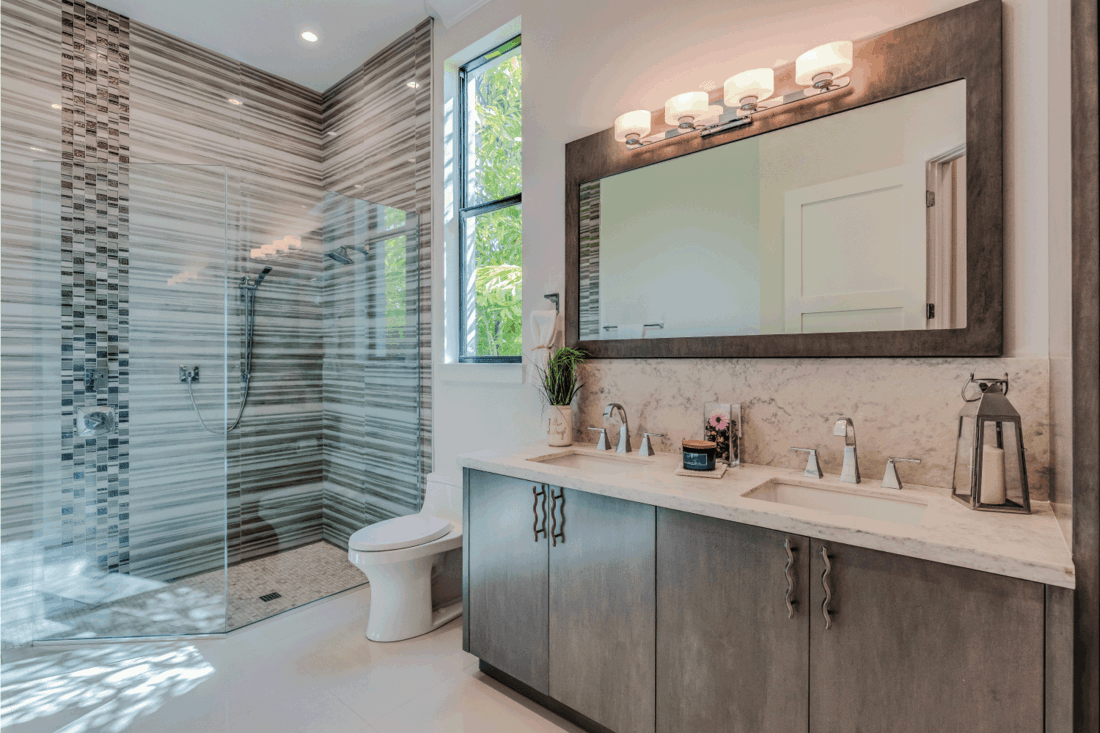
Bathroom in New Luxury Home with Two Sinks and Dark Blue Cabinets. What Is The Best Color Temperature For Bathroom Lighting

Warm White Versus Cool White Lighting

Nowadays, bathrooms are a place to relax. When you consider grooming, getting dressed, putting on makeup, or bathing, you want your lighting to be functional. With that said, you also want it to be somewhat soothing.

Some people make the mistake of thinking you should have one main light in the bathroom. The key is to have multiple sources of light so that your lighting is harmonious. You want to choose lighting with a Color Rendering Index of 80 or higher to achieve lighting similar to what natural sunlight provides.

Skylights are a fantastic addition to consider utilizing as a natural source of lighting in your bathroom. Natural lighting complements skin tones best.

Master bath with glass shower, warm white vs cool white

Is warm white or cool white better for bathrooms?

The answer to this question varies due to personal preference. When choosing the lighting for your bathroom, first consider the main tasks at hand. You need lighting that is the right color of white light dispersed to light up the entire room and reflect off of surfaces at the best angle.

The difference between cool white and warm white lighting is that cool white is brighter and gives off a hint of a blue hue. Warm white lighting provides a calmer, more relaxing feel. If you do not feel the need for bright lights in your bathroom, warm white lighting makes more sense for you.

Some of us choose brighter lights because we get ready in the bathroom and utilize lights around bathroom mirrors. Whether you fix your hair in the bathroom or put on makeup, you may prefer brighter lights, so cool white lighting is better for you.

In reality, the best answer for which lighting is better for a bathroom is actually both! Layers of light allow for less glare and shadowing, more precise lighting, and a balance.

Accent Lighting

Accent lights are an alternative for creating a relaxing atmosphere. They make it so that you can benefit from both style and practicality. Accent lights are great for illuminating a specific space, such as a floating shelf with decorations on it or a piece of artwork on the wall.

Accent lights work for achieving a balance when it comes to lighting. They can help you choose the right color temperature for your bathroom while giving you an additional source of decor. In turn, this gives your bathroom more depth and uniqueness.

For those of you who have more than one bathroom, it is a good idea to put cool white lighting up in the ensuite. This is where most people get ready in the morning in preparation for the day.

For your main bathroom, use warm white lighting to give off a relaxing vibe. Soft light is more calming than bright light. This is why you want dimmer lighting in the room where you bathe in the evening.

How bright should a bathroom light be?

How bright the bathroom should be varies depending on what you need the lighting for. A color temperature between 2,7000K and 3,000K is ideal. This means you should look for bulbs marked soft white or warm white.

Warm Bright

Warm white light is typically between 2,700 and 3,000 kelvins. It is most commonly used for lamps in order to give off a calming feel for whatever room it is in. Warm white lighting is more visually appealing in the bathroom than cool white light.

When you see people taking a bath in the movies, they often have candles lit around the bathtub. This is because the light is calming, much like warm white lighting.

Cool Light

Cool white light is between 5,000 and 6,500 kelvins. It is used for spotlights, plinth lighting, and LED strip lighting. Cool white lighting is significantly brighter than warm white light.

If your bathroom is primarily where you put on makeup, you will want to have brighter focused lights such as an LED light strip. These are available with dimmers as well.

How to Make Your Bathroom the Ideal Brightness

Unique tile and colors in bathroom shower

In order to achieve the desired brightness between 2,700K and 3,000K, incandescent or halogen bulbs are best. Incandescent bulbs are 2,700K, and halogen bulbs are 2,850K.

A bulb appears warmer when the kelvins are less. Both incandescent and halogen bulbs can be dimmed, which makes them about 2,200K or less.

Halogen or incandescent light bulbs are great for providing a warm white light that is bright enough to be functional while still not too bright.

Click here to see this light fixture on Amazon.

Dimmers are a great way to make it so you have warm white light when you want it as well as cool white light when you need it.

Are LED lights good for bathrooms?

LED lights are versatile. They are perfect for bathrooms as a highly energy-efficient alternative to incandescent bulbs. LED lights last longer too!

LED strip lights are great for vanity lighting in the bathroom. They give you the opportunity to brighten up the room when you need more light while still allowing warm lighting to be used for the main lights.

For areas that are damp such as above the shower, you need to use wet-rated lights. These are necessary for anywhere that has direct exposure to water. Wet-rated lights have waterproof seals to protect them from moisture.

If you would like to have colorful lighting while taking a bath, you can incorporate LED strip lights with the capability of changing either by way of an app or remote. Be sure to keep the remote put away safely away from all water sources.

Click here to see this vanity LED on Amazon.

What is the best bathroom lighting for putting on makeup?

Shot of an attractive young woman going through her morning beauty routine in the bathroom

The best lighting for putting on makeup is warm or natural light. Natural lighting gives the best representation of what your face actually looks like. It makes it so that you can easily tell if your makeup is not properly blended.

When applying makeup, you need brighter lights that are still similar to what the sun naturally gives off. This is important because you want to see what your makeup will look like when you walk out of the room.

If you put makeup on with warm lighting, your skin tone may appear to be a completely different shade outdoors. The CRI is crucial for this reason. LED lights are great for makeup applications because they emit even lighting.

Lighted mirrors are a fantastic option for the lighting needed when putting on makeup. LED lights are preferable for makeup lighting. They provide bright enough light for you to see what you're doing while not being so bright that it is bothersome or blue.

Click here to see this LED mirror light on Amazon.

Where should bathroom vanity lights be placed?

Bathroom vanity lights should be placed along the top of the mirror or on both sides. This is so that you get lighting that is easily dispersed.

Vanity light fixtures that are mounted above the mirror should be attached about 78 inches from the floor. These are usually pointed downward to better light up the mirror and surrounding area.

Vanity lights that are mounted on each side of the mirror should be placed about 60 inches from the floor. How far apart they are is dependent on the width of the mirror between them.

LED lights work well as vanity lights. If they are dimmable, that is a bonus!

Click here to see this light fixture on Amazon.

In Closing

Cool white lighting is bright while warm white lighting gives off more of an orange hue than a blue hue. The best color temperature for a bathroom is between 2,700K and 3,000K. The CRI should be 80 or higher. This range allows for lighting that is perfectly balanced.

LED lights can be used when applying makeup but natural lighting is preferred and recommended. Vanity lights should be mounted above the mirror or one on either side of the mirror to provide adequately balanced light.

Before you go, check out the following links all about bathroom lighting:

Best Recessed Lighting For Bathroom By Type And Size

11 Bathroom Recessed Lighting Ideas

Bathroom Warm Or Cool Light

Source: https://homedecorbliss.com/best-bathroom-lighting-temperature/
Share:

Do Bathroom Fans Get Rid Of Smell

Do Bathroom Fans Get Rid Of Smell

  • How To's & Quick Tips

3 Fixes for a Gasoline Odor

Has an "oops" moment with a can of gasoline left you—and your garage floor, car interior, or clothes—fuming? Banish the odor with one or more of these fast-acting fixes!

How to Get Rid of Gasoline Smell

Photo: istockphoto.com

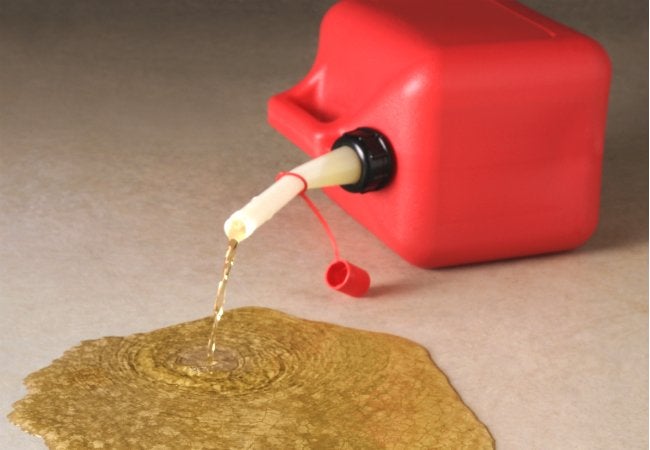
Whether you're planning a road trip or gearing up for an outdoor DIY project, the task ahead starts with checking and often replenishing your fuel tank. But be careful: Even the smallest drip of gasoline while filling up at the pump, transporting a gas can, or refueling motorized lawn equipment is enough to cover your cement floor, car interior, or clothing in its unmistakable odor. Should you, your car, or other surface be so unlucky as to get splashed, you'll want to both cautious and efficient about the removal of this highly flammable and smelly substance. Rather than temporarily mitigating the scent by airing the stain out or spraying on fabric deodorizer, take action with one of these odor-fighting ways to get rid of gasoline and its smell.

Tools & Materials
  • Kitty litter
  • Broom
  • Dustpan
  • Baking soda
  • White vinegar
  • Cotton rags
  • See full list «
  • Clothesline
  • Dish soap
  • Handheld vacuum

How to Get Rid of Gasoline Smell - Using Cat Litter

Photo: istockphoto.com

HOW TO GET RID OF GASOLINE SMELL ON THE FLOOR

COVER IN CAT LITTER

If your heavy-duty landscaping equipment's fuel tank leaks gasoline onto the cement floor of your garage, that puddle can quickly become a permanent stench. Fortunately, you can lift the liquid and the smell with a supply of cat litter. Just as the clay granules excel at cleaning up after your feline friend, they too can also quickly absorb liquid and combat odor from gasoline spills.

For optimal results, act fast! Don't wait until the gasoline evaporates to try this approach.

  1. Generously spread odor-absorbing cat litter over the still wet pool of gasoline.
  2. Leave it to soak up the spill over the next one to two hours.
  3. Use a broom to sweep the gasoline-soaked remains into a dustpan, transferring them to a sealed bag or old plastic takeout container to completely seal in the smell.

Check with your local laws to correctly dispose of the contaminated cat litter. Open the garage door while you work to air out any lingering odor.

How to Get Rid of Gasoline Smell - Using Baking Soda and Vinegar

Photo: istockphoto.com

HOW TO GET RID OF GASOLINE SMELL ON YOUR CAR'S UPHOLSTERY

PULL OUT YOUR PANTRY STAPLES
When a gas nozzle precariously peeks past an open car door during your fill-up, your vehicle's interior may soak up a splash and leave you with upholstery that reeks. Fortunately for automobile drivers everywhere, the pungent scent of petrol doesn't stand a chance against the triple threat of baking soda, vinegar, and hot water.

  1. Mix a solution of equal parts baking soda, vinegar, and water.
  2. Dip an old rag in the solution and gently rub it over the source of the stench in the car, whether its the seat cushion or fabric floor mat.

The friction created by the rag, combined with the stain-lifting and odor-fighting powers of baking soda and vinegar, eliminate gasoline stains and accompanying odor on contact.

How to Get Rid of Gasoline Smell - By Airing Out Clothes

Photo: istockphoto.com

HOW TO GET RID OF GASOLINE SMELL ON CLOTHING…

WASH OUT AND LINE DRY

Due to being highly flammable, gas-sopped clothing or shoes are better left discarded. However, smaller gasoline stains from the accidental drip still stand a chance of being saved—but not from washing alone. The oily residue requires pre-treatment to be safely and effectively removed.

  1. Start by air-drying the stained items for a full day outdoors. (If the scent is particularly strong, you might want to soak them in vinegar for at least one hour, then return to the clothesline to fully dry.) You do not want to toss garments or shoes into the washer before you're certain that the smell (read: the fumes) has diminished because of the slight risk of combustion in your laundry appliances.
  2. When taking a whiff of the garment no longer fills your nose with the scent of fuel, vacuum and then rub a mild dish soap into the gasoline stain.
  3. Place the garments into your washer in a load by themselves—you won't want any missed residue or odor transferring to any other clothing—and machine-wash normally on the hottest setting that's safe for the type and/or color of fabric.
  4. When the cycle ends, hang it up to dry (or, in the case of sneakers, air outside).

Now take a load off, knowing that your wardrobe is once again fresh, clean, and odor-free.

Do Bathroom Fans Get Rid Of Smell

Source: https://www.bobvila.com/articles/how-to-get-rid-of-gasoline-smell/

Share:

Bathrooms By David

Bathrooms By David

Victoria and David Beckham house: see inside one of the bathrooms at the couple's epic home in London with their children Brooklyn, Romeo, Cruz and Harper.

David andVictoria Beckham own several homes including a £19million apartment in Miami, a country retreat in the Cotswolds and, case in point, a £31million townhouse in London. The couple have shared several glimpses from inside since living there, and a recent post by Victoria gave fans a look at (one of) the stunning bathrooms.

She took to the Instagram account dedicated to her eponymous beauty range with the post as she showed off a new product and wrote: "Spring glow reboot courtesy of our Cell Rejuvenating Power Serum x VB."

SEE: Victoria and David Beckham's home in London cost 3x Prince Harry and Meghan's - see inside

victoria-beckham-bathroom

Victoria Beckham's bathroom

In the background, white wooden cupboards are visible, as well as a grey and white marble sink with silver fittings, a tall silver mirror, and a stunning chandelier in the reflection.

RELATED: Inside David and Victoria Beckham's Miami penthouse where they are currently staying

victoria beckham bathroom 2 z

A second bathroom at Victoria and David Beckham's London home

Victoria previously revealed a look at another bathroom in the home as she demonstrated how she applies her makeup. This one has grey marble tiles on the walls, as well as the sink, and a mirror in a white frame. She had also added a vase of cream and pink roses in the corner, alongside her makeup products and a small candle.

MORE: Victoria and David Beckham's Cotswolds estate is a dream

WATCH: Victoria Beckham films inside bathroom at Cotswolds mansion

Victoria and David's home in the Cotswolds, meanwhile, follows a more rustic aesthetic in line with the property's rural location, and a past video featuring Victoria revealed that one of that bathrooms has wooden panels on the walls, a shower with a black panelled glass screen, and a black sink unit with white backsplash panels. Nonetheless, the space has an equally impressive chandelier for lighting.

Victoria and David share their homes with their children Brooklyn, Romeo, Cruz and Harper. They are currently staying in Miami while David trains with his football team, Inter Miami, but their house in London acts as their primary residence.

The couple spent an estimated £8million on renovation work inside in 2016, and it now boasts its own gym, wine cellar, and even separate quarters for their eldest son Brooklyn to stay in.

Like this story? Sign up to our newsletter to get other stories like this delivered straight to your inbox.

Bathrooms By David

Source: https://www.hellomagazine.com/homes/20210319109216/victoria-beckham-david-beckham-bathroom-home-inside-photos/

Share:

How To Tile A Bathroom Sink

How To Tile A Bathroom Sink

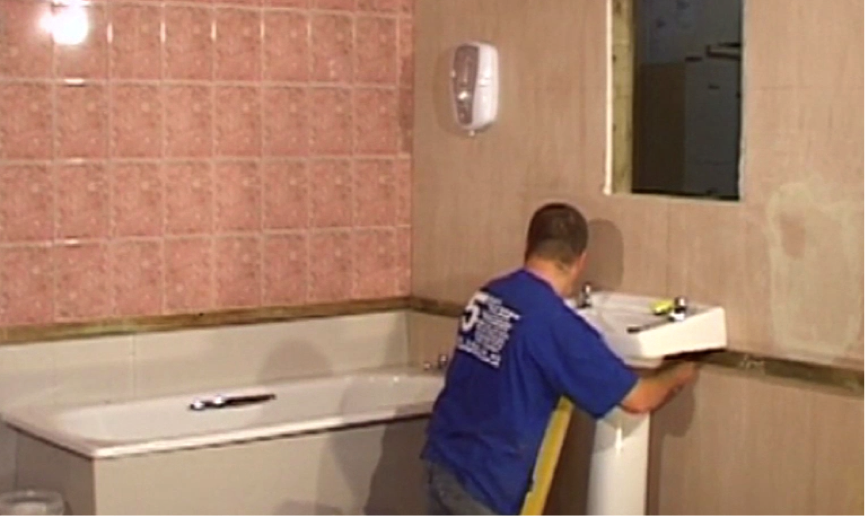
Tiling behind and around sinks can be tricky, especially if they are screwed to the wall. However, you can measure, mark and cut tiles to avoid screws and get a great finish behind your sink and along the wall. Here's our guide on how to do it.


Step 1. Attach the baton

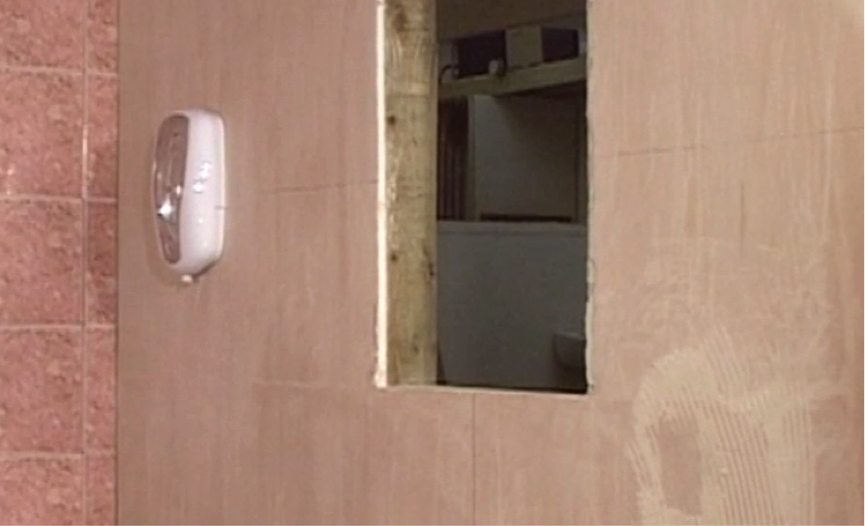
Since you should already have your guidelines drawn on the wall, the first thing to do is to attach your baton. Screw or nail this to the wall, if possible so that it is level with existing batons, but if not, as long as it is level and straight with your guidelines, then it should be fine.

step-1-attach-baton


Step 2. Tiling behind the sink

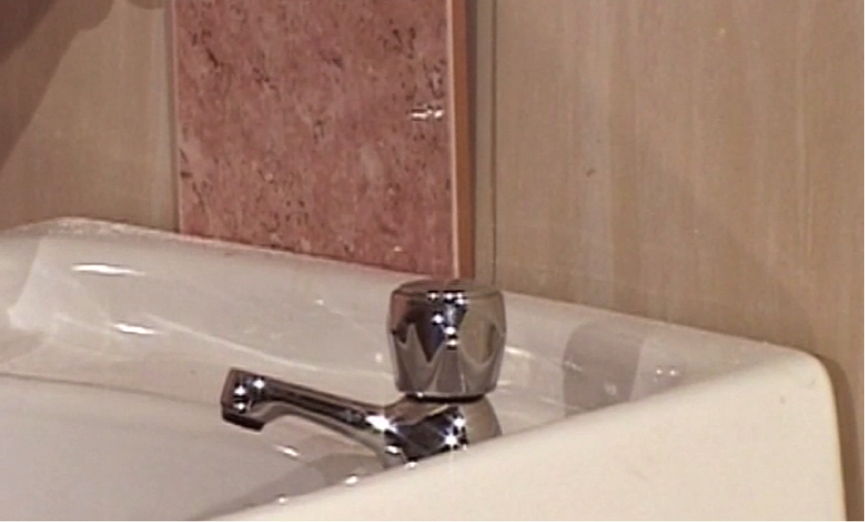
In order to add the tiles behind the sink, you need to locate and loosen the screws that hold the sink to the wall. You will need to do this so that there is enough room for a tile to fit behind them.

step-2-tile-behind-sink


Step 3. Use your centre line

In our example, we'll be using our centre line on the window as a guideline to tile. This will end up with cut tiles required on both the left and right walls. Any ordinary centre line will do, however.

step-3-use-your-centre


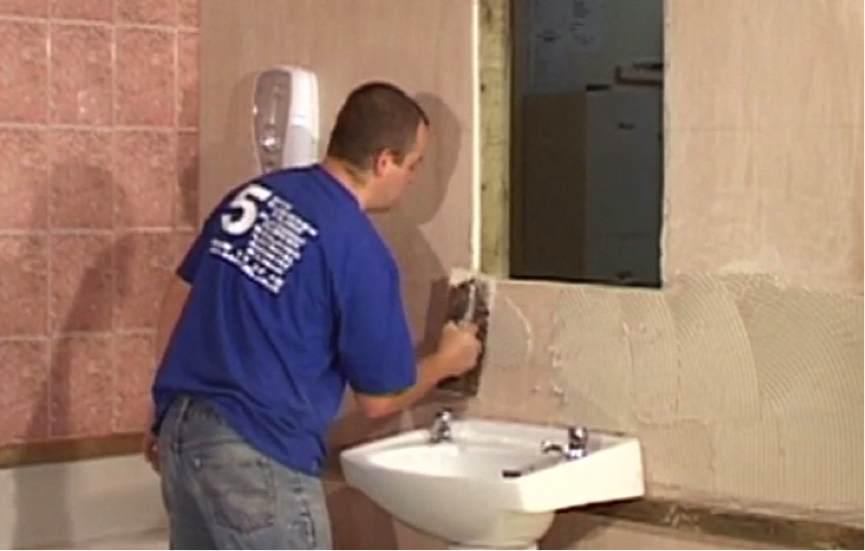
Step 4. Spread the adhesive

Start to spread the adhesive along the wall above the baton. Try to keep the thickness of the adhesive on the wall the same, and spread to create a grill effect using your trowel.

step-4-spread-adhesive


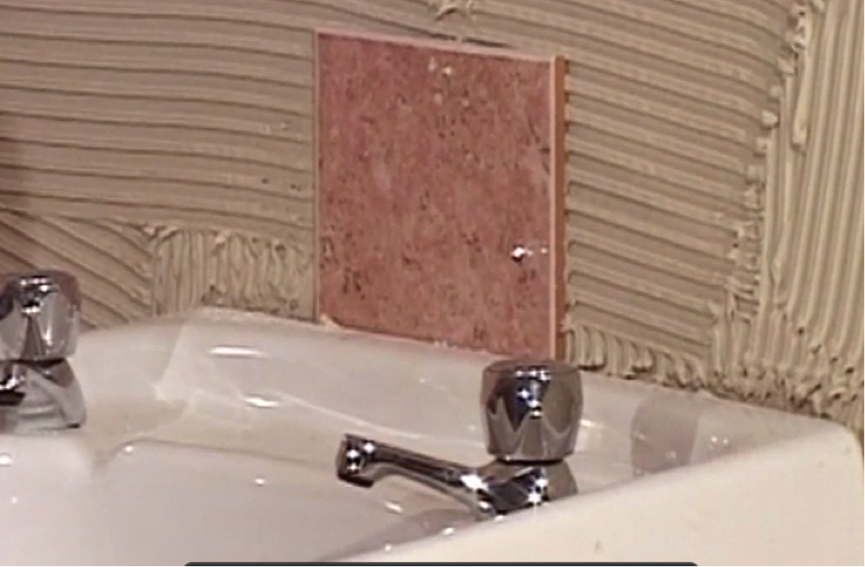
Step 5. Place the tile

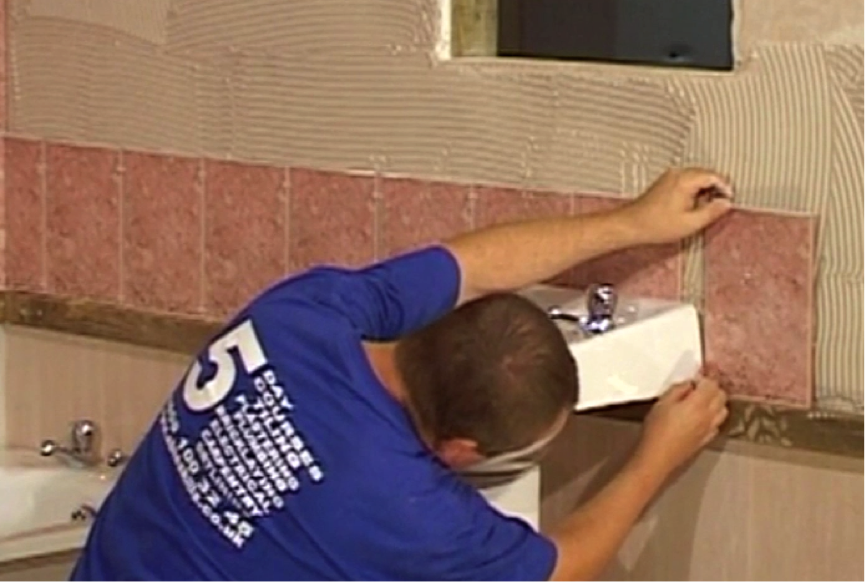
Using the centre line, run a tile down the back of the sink and press firmly into place.

step-5-place the tile


Step 6. Avoid the screw fixing

The tile to the left of the centre tile may by obstructed by the screw that holds the sink to the wall. You will need to cut out a corner of the tile in order for this to fit. Mark on the tile in pencil a point on the tile above where the screw would be located, both vertically and horizontally. Remove the tile and clean off the adhesive on the back using water.

step-6-


Step 7. Scoring the tile

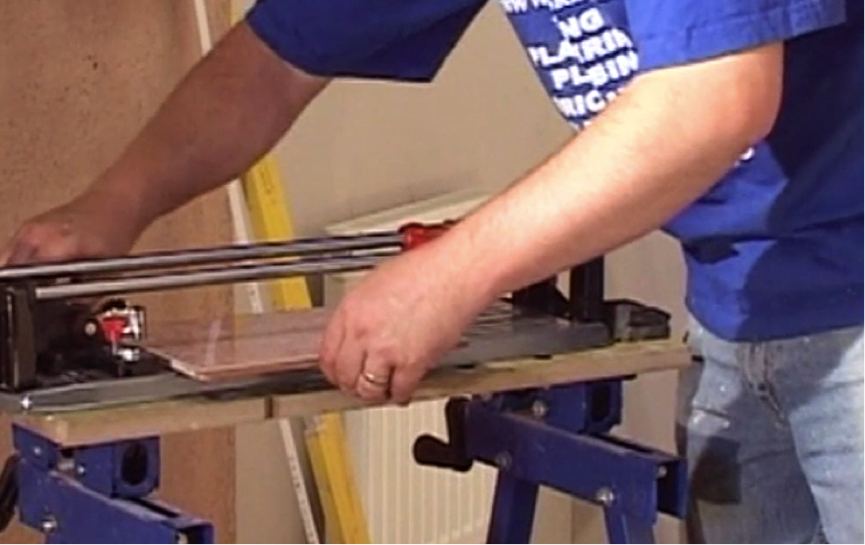
Using your scorer, make two grooves in the tile along markers so that they meet forming a corner. Be careful not to go too far with your scoring as the sink may not hide your scoring marks.

step-7-scoring-tile


Step 8. Cutting the tile

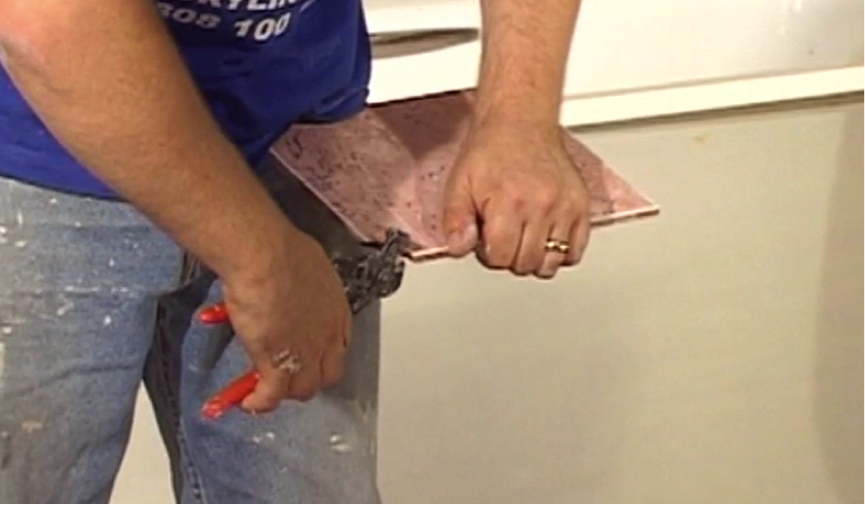
Take your tile pincers and chip off small chunks of the section to be removed. Don't use the pincers like pliers and let the teeth do the work. As you get closer to your score marks, the pincers will naturally cut off straight lines. Don't rush as the tile might break and you will need to start again.

step-8-cutting-tile


Step 9. Smooth off the edge

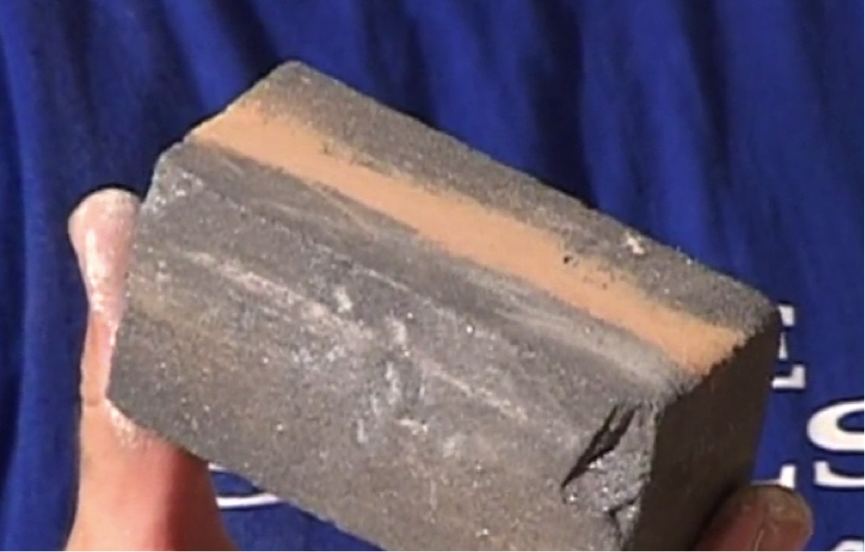
To smooth off the edges, take a rubbing stone and run along the jagged parts until smooth.

step-9-smoothe-edges


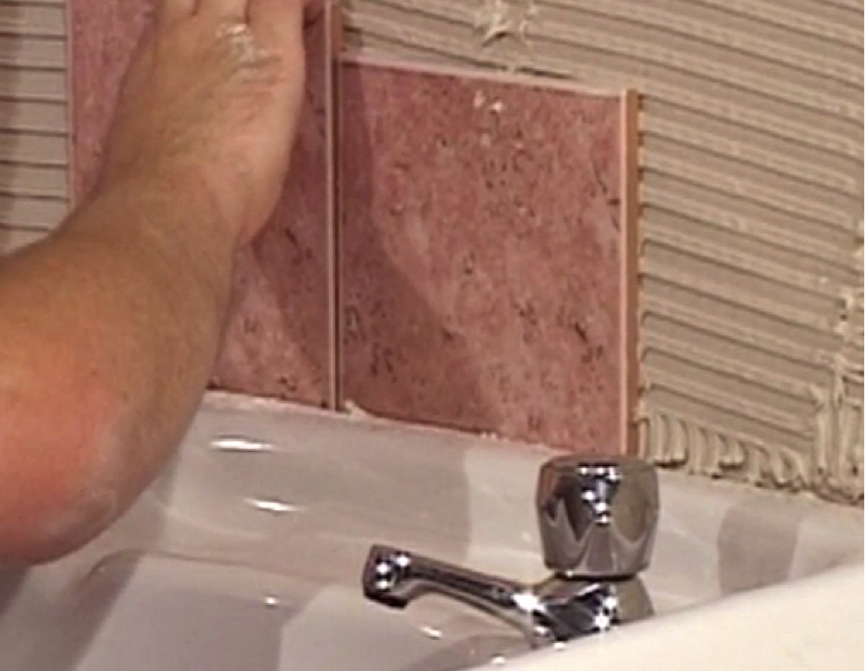
Step 10. Place the tile in position

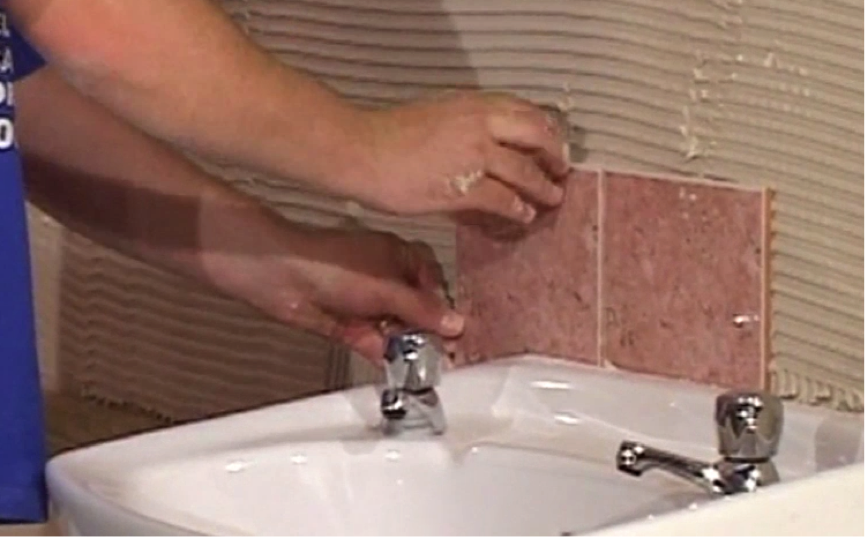
Once the tile corner is cut out, you can now place it back into position behind the sink, making sure to line it up correctly and adding spacers. Continue to add tiles towards the wall, again using spacers. When you reach the corner, the same approach applies as before. Measure, mark and make the cut.

  • If you're measuring towards a corner that has already been tiled, only allow a 2mm space as you want the tiles to be flush with each other

step-10-place-tile


Step 11. Repeat on opposite side

When working on the other side of your marked line, repeat the sink tiling process and work out towards the wall and corners.

step-11-opposite


How To Tile A Bathroom Sink

Source: https://www.ableskills.co.uk/blog/tutorials/how-to-tile-around-sinks/

Share:

24 Bathroom Vanity Without Sink

24 Bathroom Vanity Without Sink

How to Install a New Bathroom Vanity and Sink

A fresh new look for your bathroom.

Time

A half day

Complexity

Intermediate

Cost

Varies

Introduction

Sometimes a room needs to be refreshed. A coat of paint or a new sink and vanity in the bathroom might be just what is needed. But if you're afraid to tackle the project yourself, no worries — it's easier than you think.

Tools Required

Materials Required

  • Clear silicone
  • Drain assembly
  • New faucet
  • New sink
  • New vanity
  • Supply lines
  • Teflon plumber's tape

Project step-by-step (7)

Step 1

Planning Your Project

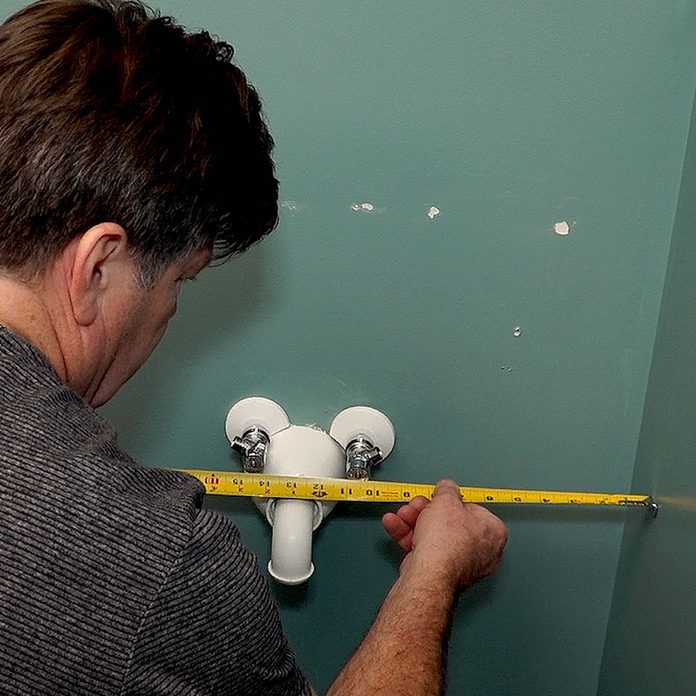
  • Before purchasing a new vanity and sink, take measurements of your room and the plumbing to be sure the fixtures you are considering will fit in the space.
  • All bathroom vanities and sinks are not the same. In some circumstances, you will install the vanity first and then install the sink on the vanity. Some vanity and sink combos come from the manufacturer with the sink preinstalled on the cabinet.

Measure Plumbing

Step 2

Disconnect Plumbing

  • Turn off the water supply at the sink or at your main shutoff valve.
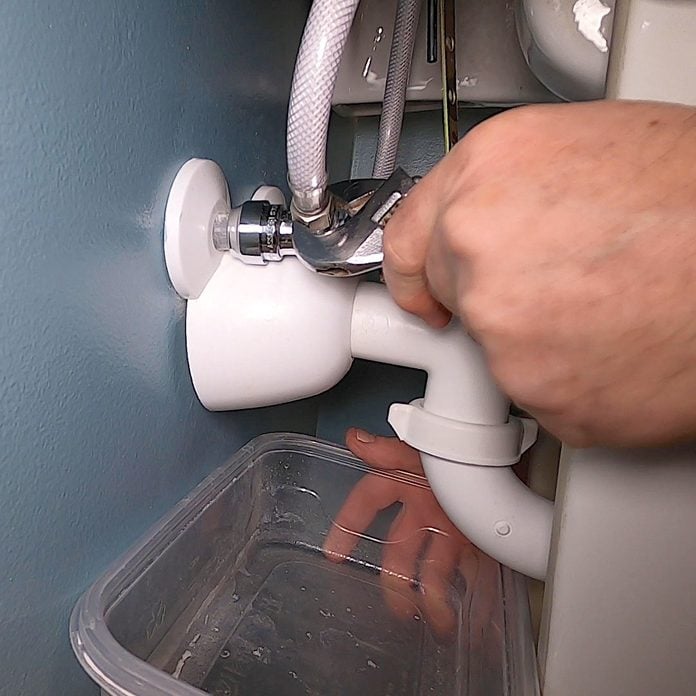
  • Remove hot- and cold-water supply lines. Always have a bucket or container to catch the water and have a towel nearby as well.
  • Remove the drain trap. (Be aware it's filled with water.)

Vanity 10

Vanity 8

Sign Up For Our Newsletter

Complete DIY projects like a pro! Sign up for our newsletter!

Do It Right, Do It Yourself!

Step 3

Remove Vanity & Sink

  • Before removing the sink and vanity, cut around the edge of the sink or backsplash with a utility knife so you don't tear the sheetrock paper or pull the plaster off the wall.
  • Remove any screws or bolts holding the sink or cabinet to the wall.
  • If needed, have a helper assist you in removing the sink and cabinet. In some circumstances, it may be easier to remove the sink first, then the countertop, and then pull the vanity cabinet.

Vanity 7

Step 4

Re-decorate

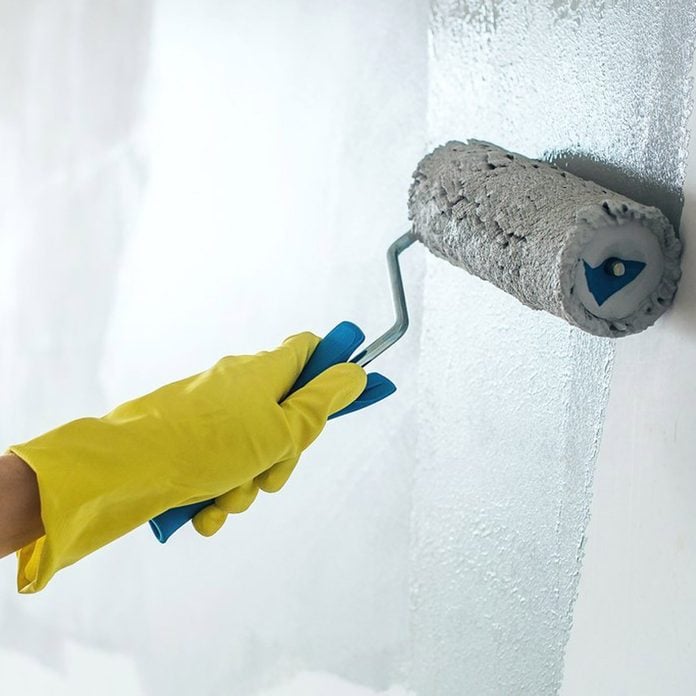
  • At this point in the project, take some time to re-decorate. Fill holes and paint the walls, maybe even lay new flooring or tile at this time. A new light fixture is a nice upgrade.

dfh17sep035_355466180_05 update paint colors paint rollers painting

Step 5

New Faucet and Drain

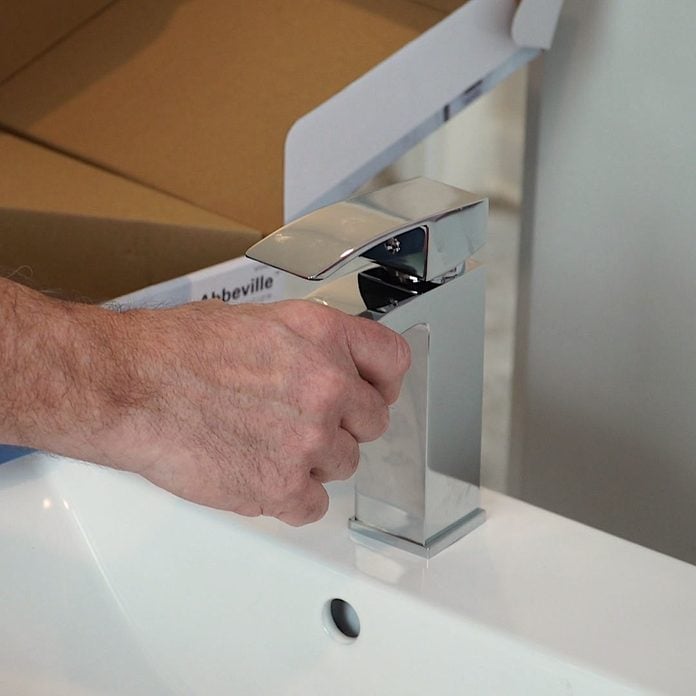
  • At this point, it may be easier to install the new faucet on the sink rather than doing it laying on your back with your head inside the cabinet underneath the sink.
  • Connecting supply lines to the faucet at this point will save you some frustration down the road as well.
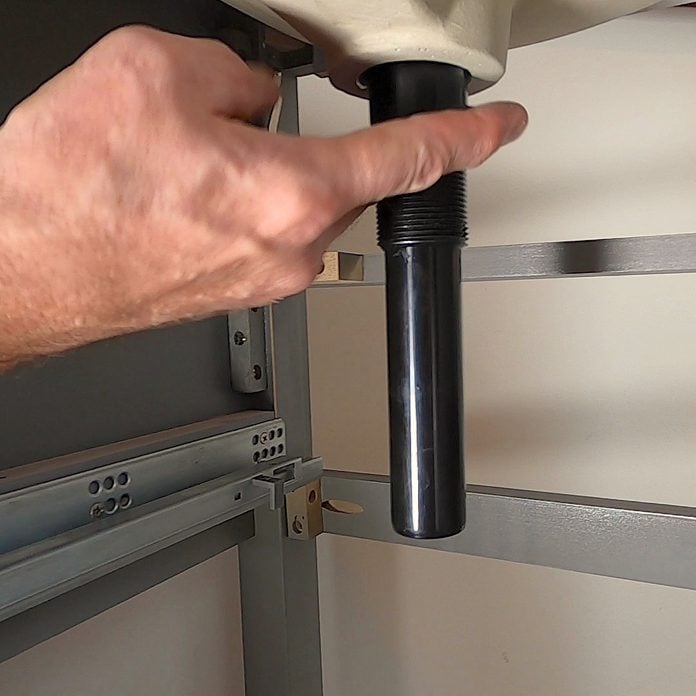
  • Install the new drain kit. Most drain kits include a rubber washer. If not, apply a thin layer of silicone to the drain flange before installing it on the sink to prevent leaking.

Vanity 1

Vanity 5

Step 6

Install the Vanity and Sink

  • In some circumstances, you will install the vanity cabinet first and then the sink.
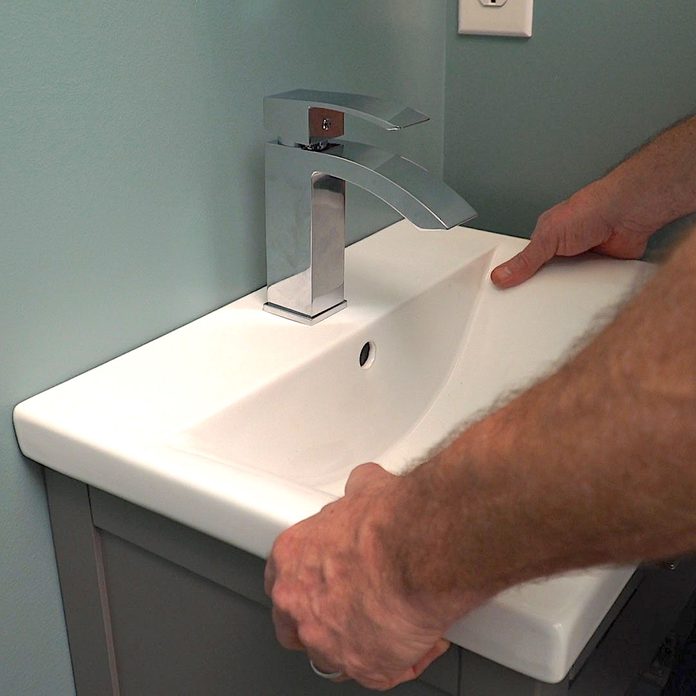
  • Move the vanity and sink into place, being careful not to damage the walls.
  • Check to see if the cabinet is level. You may have to shim it.
  • Locate your wall studs (typically 16 inches on center). Attach the cabinet to the wall into the studs with three-inch screws.

Vaanity 3

Step 7

Plumbing Hookup

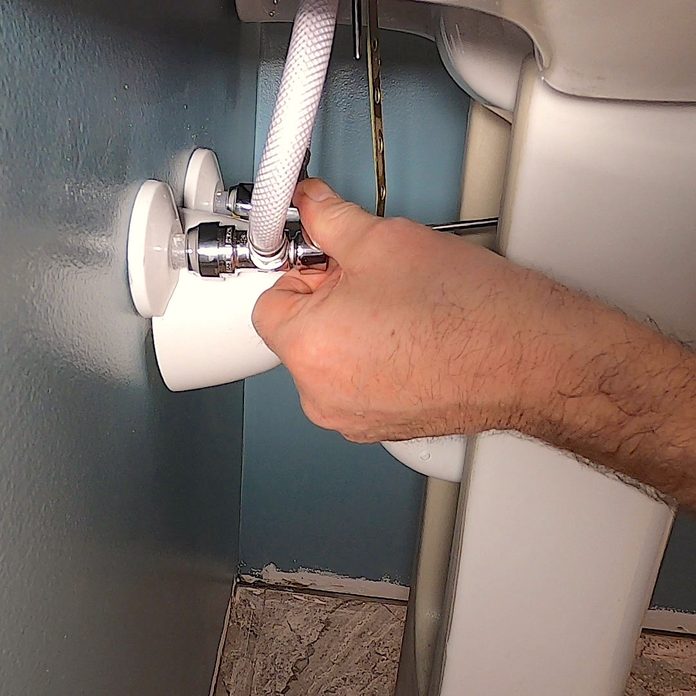
  • Wrap a few rotations of Teflon tape around the threads of the shutoff valves. Now attach the hot and cold water supply lines to the shutoff valves, and tighten them with a wrench
  • Install the drain trap to the sink and to the waste line. Only hand-tighten.
  • Turn the water on and check for leaks.

Vanity 6

Similar Projects

24 Bathroom Vanity Without Sink

Source: https://www.familyhandyman.com/project/how-to-install-bathroom-vanity/

Share:

Recent Posts

banner